PPC & Paid Media Management Services

Buy better demand. Build profitable growth.

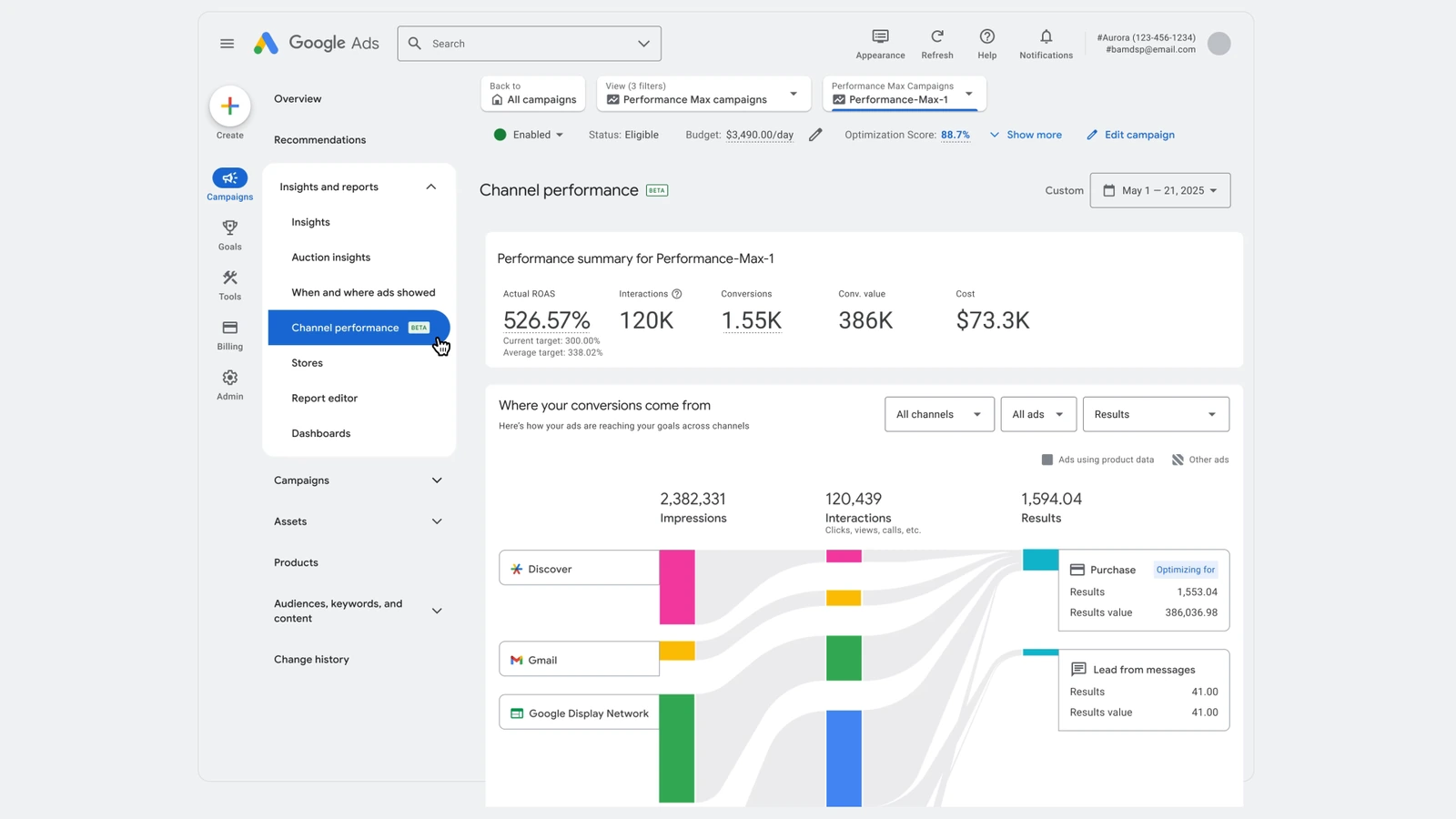
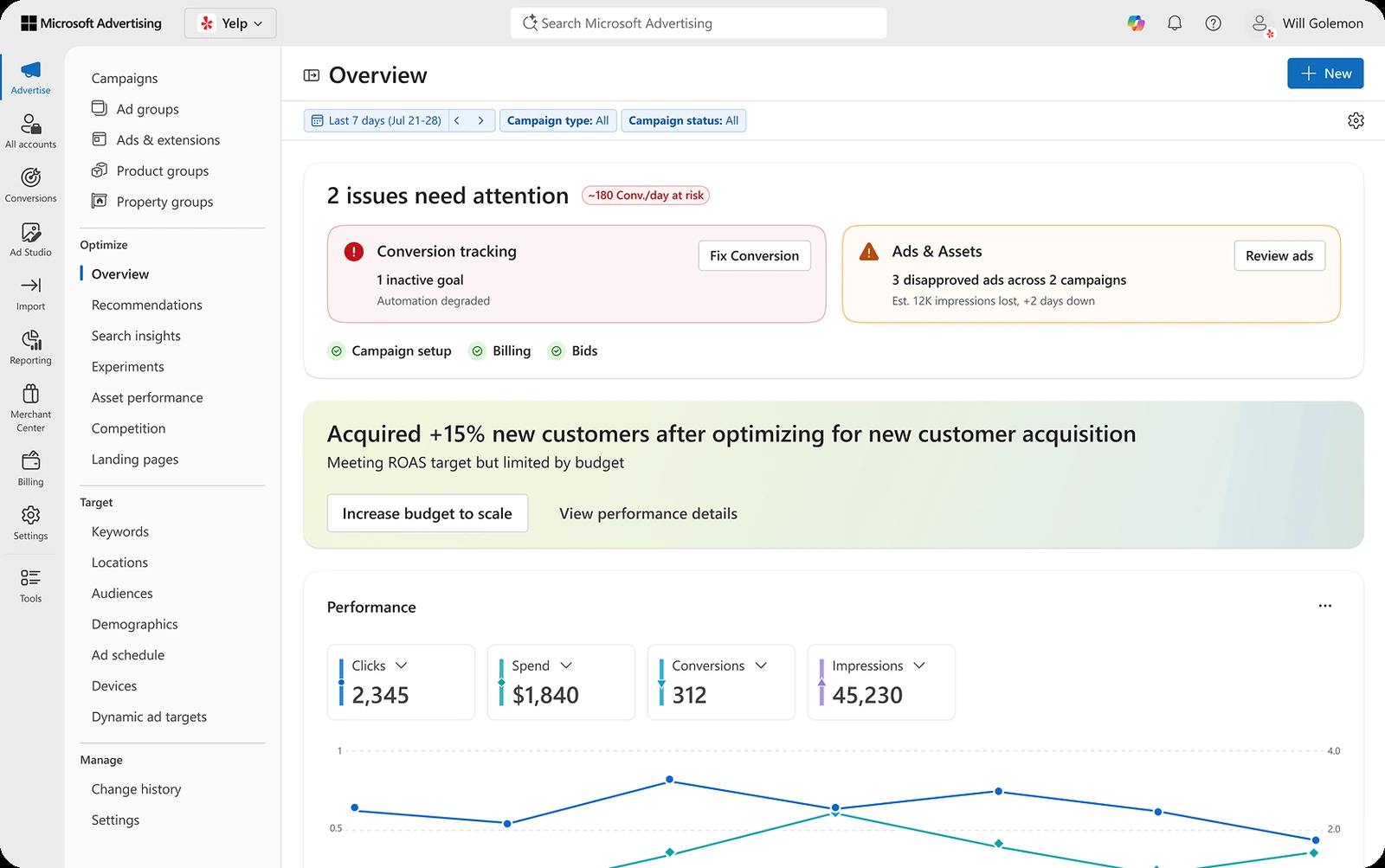
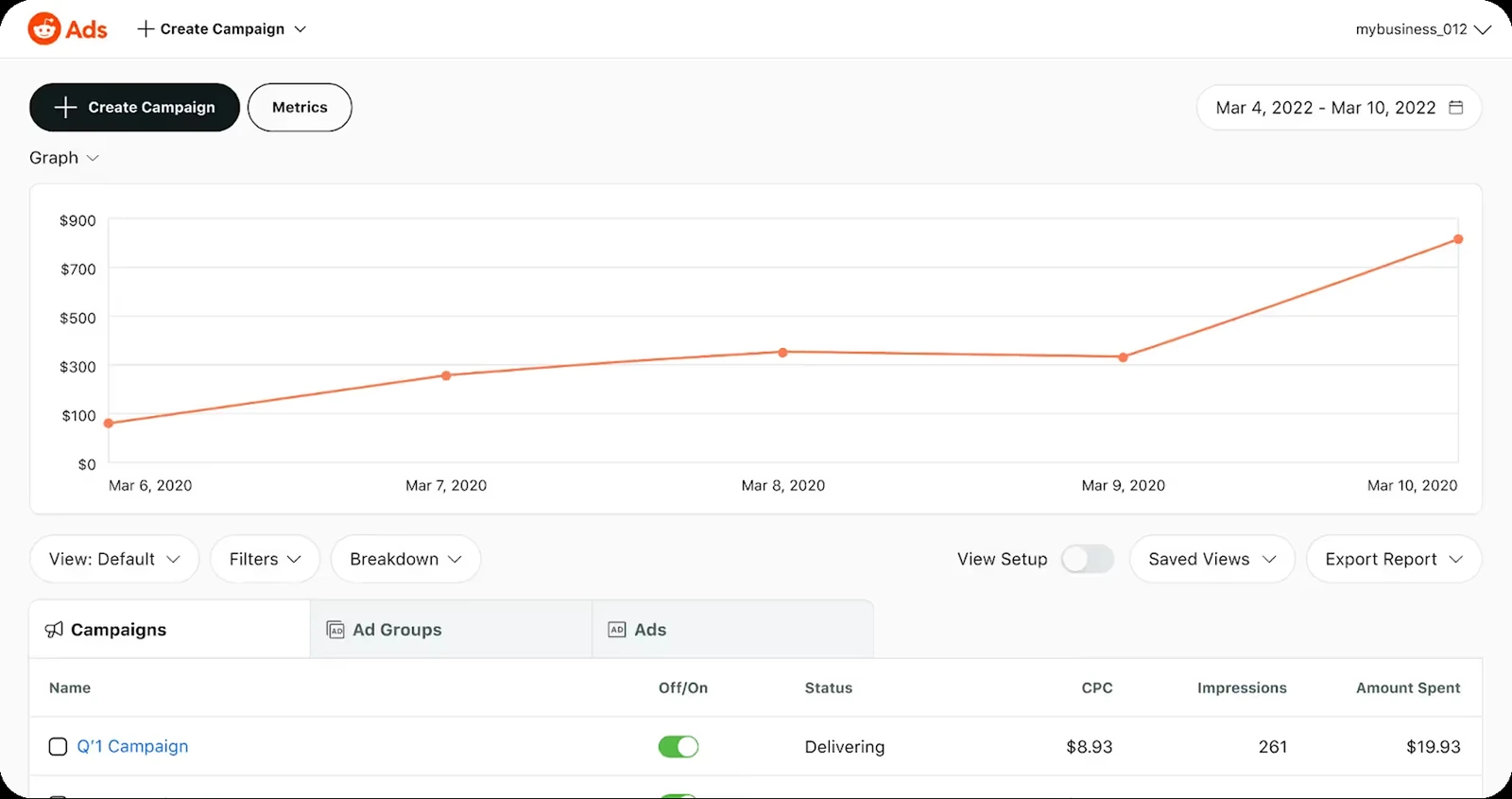
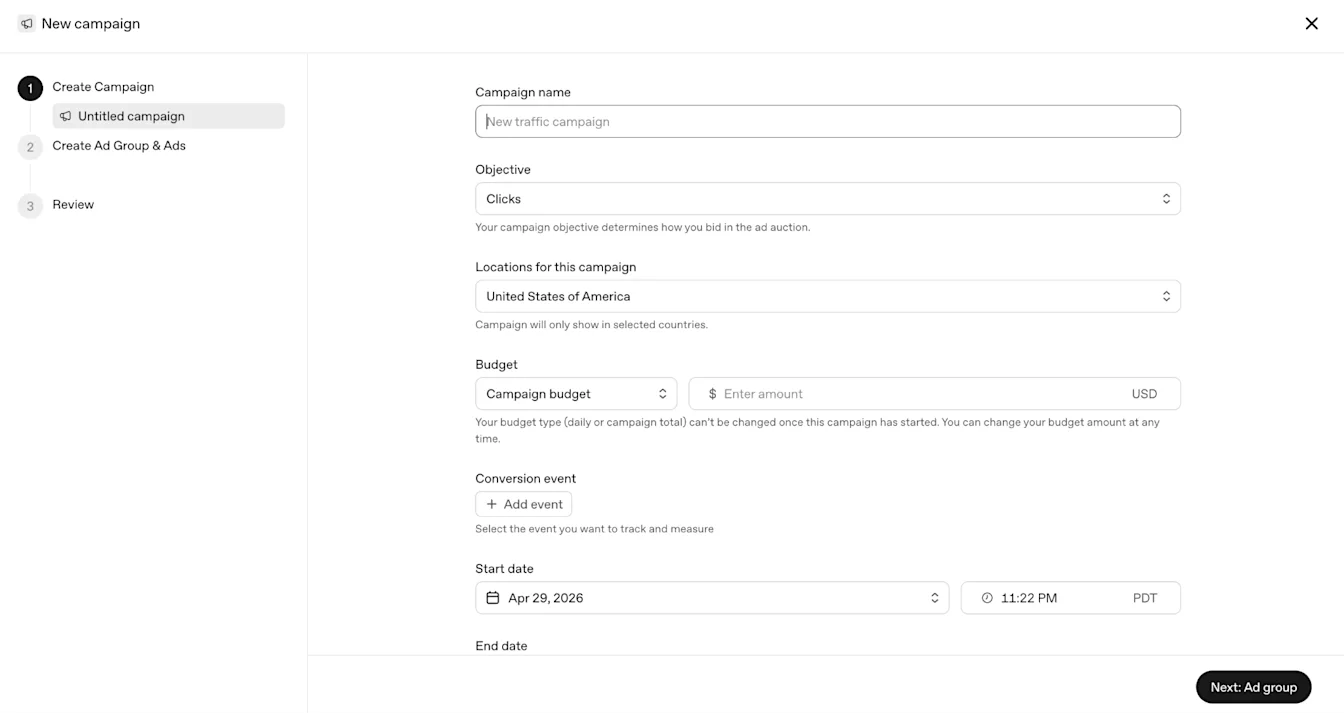
Fuel Online connects Google Ads, Microsoft Advertising, Reddit and ChatGPT Ads with the creative, landing pages and sales feedback that turn media investment into a stronger customer acquisition program. Senior specialists align every channel with qualified leads, revenue and the economics of growth.

Share your website and growth priorities. Speak with a senior strategist about the highest-value opportunities and a focused plan to pursue them.
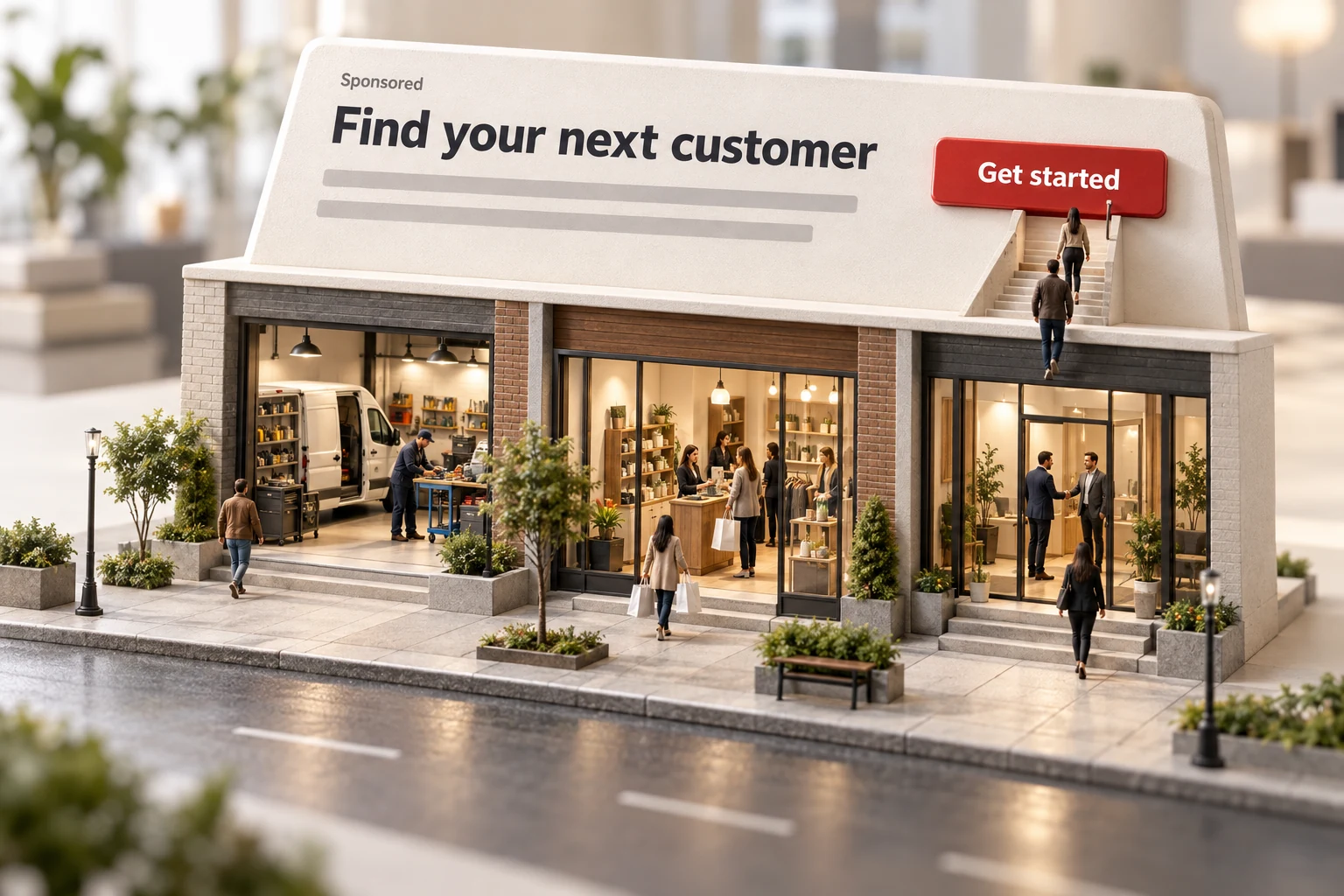

Conceptual miniature search ad becoming a commercial street with customers
Since 1998Established, Experienced & Trusted
5.0 on Google★★★★★
Clutch Top SEO Company, Education, 2025Clutch★★★★★DesignRush 5.0 Best Marketing AgencyDesignRush★★★★★
GoodFirms Top SEO Services CompanyGoodFirmsTop SEO services
U.S.-based teamSenior specialist expertise
24/7 Live ReportingClear performance visibility

Specialist thinking.
Connected execution.

Strategy, implementation and measurement work together around your commercial priorities.

Meet our team →


Founded in 1998. Senior strategy and execution under one roof. Fuel Online connects search, paid media, content, analytics and conversion expertise around your business. Your program has a strategic owner, specialist delivery responsibilities and a documented review process. The goal is direct answers about what shipped, what changed and what happens next. Meet Fuel Online and review our case studies.
The opportunity

The executive summary.

Paid media platforms can automate bids, placements, audiences, and creative combinations, but they cannot decide what a qualified customer is worth to your business. If the conversion signal mixes revenue with low-value actions, automation learns the wrong lesson faster. Fuel Online starts PPC management with economics and measurement: which outcomes matter, what they are worth, how quickly they mature, and where margin, capacity, geography, or lead quality should constrain spend.

See How We Accelerate Growth

Is this the right fit?

This service fits businesses with proven demand, a usable offer, enough budget to learn, and access to sales or transaction outcomes. It is particularly valuable when spend has scaled faster than confidence, Performance Max obscures where growth comes from, lead quality has declined, or multiple agencies and internal teams disagree about attribution. PPC can create fast feedback, but it cannot solve weak unit economics or an offer customers do not want. We surface those constraints early so media is judged fairly.

Discuss your priorities →
Full-system diagnosis

What your program puts in motion.

Your ppc management program turns strategy into tangible work. The priorities below show the deliverables, specialists and verification steps that keep your investment moving toward qualified demand and measurable business value.

Paid media economics modelA budget and acquisition model tied to lead value, margin and payback.
Tracking and conversion QA specificationVerified conversion tracking with qualified-lead or revenue feedback where supported.
Account architecture and query mapSearch, Shopping and audience structures that separate demand and expose waste.
Creative and landing-page test queueA prioritized queue of ad, offer and landing-page experiments.
Budget and experiment registerBudget pacing and scale rules aligned to qualified CPA, ROAS and business capacity.
Executive performance dashboardClear spend, performance and change reporting with client-owned account access.
Execution you can inspect

Your priorities. Named owners. Verifiable delivery.

A sample operating plan, adapted after discovery to your goals, data, constraints and implementation access.

Illustrative Pay-Per-Click Management execution matrix. Scope and timing are agreed during planning.
PriorityInitiativeDeliverableOwnerAcceptance signal
1Define economic guardrails and qualified outcomesPaid media economics modelFuel strategy lead with finance or salesTarget CPA or ROAS maps to margin and capacity
2Validate tags, calls, revenue, CRM stages, and consent behaviorConversion Signal ContractFuel analytics lead with client data ownerTest events reconcile without duplicates
3Rebuild intent, campaign, and exclusion controlsQuery Control MapFuel paid search leadTerms route predictably and brand is isolated
4Repair feeds, assets, and landing message matchLaunch-ready asset and page matrixFuel media and CRO leadsAll priority campaigns have complete approved inputs
5Run bounded experimentsExperiment registerFuel channel lead with client approverTests resolve to scale, revise, stop, or inconclusive
6Reallocate at marginal economicsBudget ladder reviewFuel account lead with budget ownerSpend changes remain inside approved value and capacity guardrails

PPC Management capabilities

Six disciplines. One commercial objective.

Fuel manages the complete path from paid intent to commercial outcome. Search terms, ad promises, landing pages, conversion definitions, and sales feedback inform the same investment decisions. Creative tests answer a specific buying question, and budget increases carry economic thresholds and stop conditions. You can see what the next spend increment is expected to accomplish, what evidence supports it, and which part of the customer journey needs improvement.

Google, Microsoft, Reddit and ChatGPT Ads are scoped around demand, customer economics and available account features. Dedicated paid social, video, production and landing-page work are coordinated where they strengthen acquisition. Your proposal separates agency fees, media spend and production.

Economics and goal design

We translate revenue targets, margin, close rate, sales capacity, repeat value, and payback expectations into usable campaign goals. Primary conversions are separated from diagnostic actions. Ecommerce value, qualified lead stages, calls, and offline outcomes are defined so bidding systems receive signals that reflect the business rather than an inflated form count.

  • Value model
  • Conversion hierarchy
  • Efficiency guardrails

Account and query architecture

Structure should support decisions, budgets, and relevant messages without fragmenting data. We organize campaigns around intent, product economics, geography, and landing experience; review actual search terms; add negative controls; and manage brand, non-brand, competitor, shopping, and remarketing roles. Automation is used with boundaries and transparent hypotheses.

  • Intent-led structure
  • Query controls
  • Budget separation

Tracking and signal quality

We audit tags, consent behavior, platform conversions, analytics key events, call tracking, transaction values, deduplication, and CRM handoffs. Where the sales cycle continues offline, qualified stages can be returned to ad platforms when feasible and appropriate. A measurement plan ensures that lead means the same thing in every report.

  • Event validation
  • Value accuracy
  • Offline feedback

Ads, assets, and feeds

Creative testing starts with buyer objections and the landing-page promise. We build distinct message angles, useful extensions or assets, and an evidence-based test queue. For retail, product titles, attributes, imagery, pricing, availability, and disapprovals receive the same attention as campaign settings because feed quality determines what the system can match and show.

  • Message matrix
  • Asset testing
  • Merchant feed QA

Landing-page conversion

Clicks are purchased; clarity must be earned. We inspect message match, offer comprehension, proof, friction, mobile behavior, form design, page speed, and the path after submission. Tests focus on decisions that can change conversion quality or rate. We do not declare victory when a shorter form creates more leads that sales cannot use.

  • Message match
  • Friction analysis
  • Lead-quality checks

Budget and experiment control

We set a written hypothesis, primary metric, guardrail, audience or traffic scope, and decision date for material tests. Budget shifts account for marginal return, volume, seasonality, lag, and business capacity. Platform recommendations are evaluated, not accepted by default. Changes and outcomes remain visible so learning compounds instead of disappearing between reports.

  • Test register
  • Marginal budget view
  • Change history

Fuel Online client experience

Paid acquisition results tied to business outcomes.

Booked calls, acquisition efficiency and owner inquiries show how Fuel connects campaign decisions to the actions that create revenue.

Fuel case studyPPC + CRO

Florida HVAC

Home services · Florida · PPC + CRO

+184%booked service calls

278 to 790 per month · six months

Published before and after

Before
278/mo
After
790/mo
Client goal
Increase booked service calls while lowering acquisition cost.
Work described
Fuel rebuilt campaigns around urgent repair intent, reduced wasted search spend and strengthened conversion-ready landing pages.

Published case metric: 278 to 790 booked service calls per month over six months.

Client-reportedSEO + acquisition

Peel Appliance Repair

Appliance repair · SEO + acquisition

+38%qualified organic traffic growth

Within about two months

Derived index · reference = 100

Reference
100
Reported
138
Client goal
Improve search visibility and acquisition efficiency.
Work described
The client describes crawl, indexing and site-structure work, plus landing-page and funnel improvements.

Client-reported metrics: 38% qualified organic traffic growth and approximately 27% lower acquisition cost.

Fuel case studyEntity + local SEO

Florida Property Management

Property management · Florida · Entity + local SEO

52/moowner management inquiries

18 to 52 per month · six months

Published before and after

Before
18/mo
After
52/mo
Client goal
Increase qualified inquiries from landlords and investors.
Work described
Fuel connected owner-intent pages, local SEO, reputation signals, landing pages and lead-quality reporting.

Published case metric: 18 to 52 owner management inquiries per month over six months.

Results are reported in the linked client review or Fuel case study. Every engagement starts from a different market, baseline and level of investment, so outcomes vary.

PPC performance reporting

See the performance. Understand the next move.

Fuel connects ad-platform performance with CRM outcomes, so you can see what drives qualified demand, where acquisition costs improve and which decisions deserve the next dollar.

FUELPERFORMANCE VIEW
Sample data

Paid media performance

Illustrative 28-day comparison
Current period compared with the previous period.

MEDIA INVESTMENT$21,000Same spend in both periods
Click-through rate
4.8%20% higher4% prior period
Cost per click
$3.5016.7% lower$4.20 prior period
Qualified lead CPA
$14033.3% lower$210 prior period
Qualified leads
15050% higher100 prior period

The weekly efficiency picture

Media cost per qualified lead. Lower is better when lead quality holds.

Previous periodCurrent period
Weekly media cost per qualified leadIllustrative data. Week 1: current $175.00, prior $210.00; Week 2: current $150.00, prior $210.00; Week 3: current $131.25, prior $210.00; Week 4: current $116.67, prior $210.00. Weekly spend is equal within each period.$0$100$200$175Week 1$150Week 2$131.25Week 3$116.67Week 4

What happened after the click?

Deduplicated leads connected to CRM stages.

Lead submissions
300
Qualified by sales
150
New customers
30
50% sales qualification compared with 40% in the prior period.
20% qualified-lead close rate in this example.
Channel allocation and qualified outcomes
ChannelMedia spendClicksQualified leadsQualified CPA
Google Ads$14,0003,50080$175
Microsoft Ads$4,2001,75042$100
Reddit Ads$2,80075028$100
Total$21,0006,000150$140
Illustrative report, not client performance. CTR = link clicks / impressions (6,000 / 125,000). CPC = media spend / clicks. Qualified CPA = media spend / sales-qualified leads. This example uses deduplicated CRM outcomes assigned to one paid channel, equal 28-day periods and the same conversion-maturity window. Platform attribution can differ. Figures are rounded for display.

Recognized across the industry

Award Winning Digital Agency

Explore our recognition
G2 Best SEO Services 2026
Clutch Top SEO Company, Education, 2025
50Pros Best in SEO Top Firm 2025
Global Search Awards 2024 Finalist
GoodFirms Top SEO Services Company
GoodFirms Top SEO Companies
DesignRush 5.0 Best Marketing Agency
TopSEOs Best in Search 2022
FindBestSEO Top 10 Enterprise SEO Company
PromotionWorld Top SEO Company, April 2021

Fuel Signal-to-Scale System

How Fuel turns PPC management into a growth program.

A connected workflow keeps research, creative, implementation and commercial feedback moving together. Each stage produces a decision or asset your team can use, then informs the next round of improvement.

  1. 01

    Calibrate value

    We align business economics, funnel stages, conversion definitions, attribution limits, and budget boundaries before asking platforms to optimize.

  2. 02

    Repair the signal

    Tracking, feeds, campaign structure, exclusions, creative assets, and landing paths are validated in dependency order.

  3. 03

    Test one decision

    Each major experiment isolates a useful question about audience, intent, bid strategy, offer, creative, or page experience.

  4. 04

    Scale at the margin

    Spend moves toward the next profitable opportunity while lead quality, inventory, capacity, and payback remain guardrails.

Why growth-focused businesses choose Fuel

Know what your next dollar is buying.

Fuel treats PPC as a sequence of commercial decisions, not a stream of platform activity. Your program starts with the value of a qualified outcome, makes account changes inspectable, and moves budget only when the signal, creative, landing path, and business capacity support the decision.

Optimize for outcomes sales can use

Separate primary business outcomes from diagnostic actions, check values and duplicates, and return qualified stages or revenue to ad platforms when the data, consent, and systems support it. Bidding learns from a clearer definition of value instead of an inflated form count.

See where demand and waste come from

Give brand, non-brand, competitor, product, problem, shopping, and remarketing demand defined jobs. Search terms, exclusions, landing paths, and campaign roles stay documented so cheap brand conversions cannot disguise acquisition performance.

Scale inside your economics

Stage budget increases against an agreed CPA or ROAS range, learning window, sales or inventory capacity, and stop condition. Report the next dollar separately from the blended account average.

Improve the path after the click

Pair each ad promise with its query or audience, proof, landing section, conversion event, and decision rule. Test message, offer, proof, form friction, or page path without losing the lesson between media and the site.

Built around your next growth challenge

What should your PPC management program solve first?

Spend has scaled faster than confidence

Fuel reconciles conversion definitions, business economics, search terms, brand treatment, account changes, feed or asset health, and landing paths before proposing the next budget move.

Measure the impact: Spend and pacing, brand versus non-brand performance, qualified CPA or ROAS, marginal return, conversion lag, and unresolved measurement limits.

Lead volume is up, but sales quality is down

Fuel agrees qualification stages with sales, validates CRM handoffs, and can return qualified, accepted, won, or revenue events to supported platforms when identifiers, consent, volume, and lag make the feedback reliable.

Measure the impact: Qualification rate, sales acceptance, pipeline progression, revenue, offline-import match health, and cost per qualified outcome.

Performance Max obscures what is driving growth

Fuel defines the role of Search and Performance Max, separates brand treatment, reviews search terms and channel reporting, controls URLs and product groups where available, and tests overlap or incrementality when scale permits.

Measure the impact: Brand and non-brand results, search-term and landing-path samples, campaign-type contribution, marginal outcomes, and the result of any approved incrementality test.

Ecommerce growth is ignoring margin or inventory

Fuel checks product data, prices, availability, disapprovals, transaction values, refunds, and margin groups, then applies budget and testing guardrails around the commercial constraint.

Measure the impact: Revenue, ROAS, product-group performance, feed health, refunds or cancellations, margin signals, inventory constraints, and repeat value when the systems support them.

Advanced pay-per-click management capabilities

The execution behind the advantage.

Conversion Signal Contract

We use a documented conversion specification that defines every primary and secondary action, its value, source, deduplication rule, attribution window, owner, and optimization eligibility. For lead generation, qualified stages and revenue can return from the CRM through enhanced conversions for leads when consent and systems allow. For ecommerce, transaction IDs, item values, refunds, and margin groups are checked. The contract keeps platform bidding from learning from duplicate forms, test orders, low-value calls, or stage labels that sales and marketing interpret differently. A version history records approved definition changes so reporting does not shift without explanation.

What you receive
A signed event dictionary, tag and CRM map, test cases, value rules, and diagnostics schedule.
How we verify it
Test conversions appear once with the correct value and timestamp; primary actions match agreed business outcomes; offline records reconcile to source CRM stages within the approved tolerance.

Query Control Map

Fuel separates brand, non-brand, competitor, product, problem, and low-intent discovery demand according to budget role and landing promise. Search terms are reviewed against an intent taxonomy rather than removed only after spend accumulates. Shared and campaign-level exclusions, brand settings, URL controls, and account structure are documented with their rationale. Automated expansion remains usable, but it operates inside clear commercial boundaries. This makes query coverage and waste decisions inspectable even as match behavior and campaign types evolve. Fuel also flags new query classes before they become recurring spend rather than relying only on historic negatives.

What you receive
A query taxonomy, negative library, brand policy, landing-page map, and weekly exception queue.
How we verify it
Sampled terms route to the intended campaign and page; prohibited intents are excluded; brand and non-brand results remain separately reportable; material overlaps have an approved resolution.

Marginal Budget Ladder

Blended ROAS can hide the fact that the next dollar performs differently from the average dollar. Fuel groups campaigns by goal, capacity, inventory, and evidence strength, then proposes staged budget increases with stop conditions. Each rung states the spend change, expected learning period, allowable CPA or ROAS range, and sales or stock constraint. Budget is released only after tracking health and creative coverage pass. The ladder turns scaling into a documented investment decision instead of an automatic percentage increase after a good week. Finance and sales constraints remain visible beside platform forecasts, making the approval commercially reviewable.

What you receive
A scenario model, campaign funding tiers, pacing guardrails, capacity constraints, and approval log.
How we verify it
No increase launches without a named threshold and observation window; actual marginal outcomes are reported separately from blended account averages; overruns trigger the agreed response.

Creative-to-Landing Experiment Grid

Fuel pairs each ad promise with the audience or query, proof asset, landing section, and conversion event it is meant to influence. Tests vary one decision at a time when volume permits: offer, message, proof, form friction, product set, or page path. A pre-test brief records the hypothesis, minimum runtime, decision metric, guardrails, and implementation owner. The grid prevents ad testing from becoming a stream of disconnected headlines whose lessons never reach landing pages, sales language, or the next creative batch. Tests that cannot reach the threshold are closed as inconclusive, with the learning cost recorded.

What you receive
An experiment backlog, message-match matrix, test briefs, page variants, and decision archive.
How we verify it
Every launched test has one primary decision, passes tracking QA, reaches its preset decision rule or is labeled inconclusive, and records the follow-on action.

Data with context

Market evidence. Practical decisions.

7.52%

Across more than 16,000 US search campaigns, WordStream's 2025 benchmark reported a 7.52% average conversion rate.

The study spans 23 industries and also reports substantial category variation.

We model learning volume and economics from the client's own funnel rather than treating a cross-industry average as a target.

Vendor dataset; campaign mix, conversion definitions, geography, and industry differ by advertiser.

Google Ads Benchmarks 2025
2025 benchmark; accessed 2026-09-17

Google-reported test results

Google reported that Performance Max was used by more than one million advertisers and that over 90 product improvements in 2024 lifted conversions or conversion value by more than 10% in aggregate.

The April 2025 announcement introduced channel, search-term, and asset reporting improvements.

Automation has scale, but newer reporting should be used to audit channel contribution and inputs rather than accept one blended number.

Google-reported aggregate; no advertiser-level distribution or independent counterfactual is provided.

Channel performance and more reporting coming to Performance Max
2025-04-30

Google-reported test results

Google's May 2025 beta claim said AI Max users typically saw 14% more conversions or conversion value at a similar CPA or ROAS, rising to 27% for mostly exact-and-phrase campaigns.

The feature combines query expansion, text customization, final URL expansion, and new controls.

Any adoption should be a controlled test with query, asset, landing, and incrementality review.

Google beta result; typical uplift is not guaranteed and depends on the prior campaign configuration.

Unlock next-level performance with AI Max for Search campaigns
2025-05-06

Choose the right operating model

What a stronger operating model changes.

Evaluate the decisions, delivery standards and business implications behind the work.

DecisionCommon approachFuel approachBusiness impact
Optimization targetEvery recorded conversionQualified outcomes with defensible valuesAutomation pursues results the company can use
AutomationEnable platform defaultsSupply goals, assets, data, and explicit boundariesMore control over what the system learns
TestingFrequent changes without a decision ruleHypothesis, guardrail, scope, and decision dateLearning survives beyond one reporting cycle
ReportingClicks, CTR, and blended ROASMarginal spend, quality, lag, and profit contextBudget decisions reflect real economics

An ongoing growth partnership

Aggressive execution. Continuous growth.

Priority work moves into execution while research, creative and optimization continue in parallel. We keep pursuing the next opportunity as your business, competitors and customers evolve.

PRIORITIZE

Expose wasted spend and missed buying intent

Review conversion quality, search terms, audience fit and landing pages against the customers you want. Prioritize budget leakage and high-value campaign opportunities while the deeper account analysis continues.

DEPLOY

Deploy sharper campaigns and faster creative learning

Coordinate campaign structure, bidding inputs, ad creative, product feeds and landing-page experiments. Keep media and conversion specialists working from the same definition of a valuable customer.

EXPAND

Scale the strongest opportunities with commercial discipline

Move investment using qualified CPA, revenue, margin and sales feedback. Keep testing new queries, audiences, offers and creative as competition changes, with ongoing visibility into what earned more budget and why.

PPC Management FAQ

Answers before you choose your agency.

Clear scope, credible measurement and accountable implementation matter more than a long list of deliverables.

Ask a senior strategist →
Which platforms do you manage?

Fuel scopes Google Ads, Microsoft Advertising, Reddit and ChatGPT Ads around your audience, offer and commercial goals. The broader plan can include Shopping, Performance Max, YouTube and dedicated paid social. We recommend channels with a defined acquisition role and confirm available features in the relevant account.

Can you manage ChatGPT Ads, and is that the same as AI SEO?

Fuel can plan and manage eligible ChatGPT advertising campaigns, connecting the offer, creative, landing page, budget and performance review. Advertising does not buy influence over organic ChatGPT answers. AI SEO and answer visibility require a separate content, technical and authority strategy. We confirm market eligibility and the controls available in your Ads Manager account before launch.

Do you manage Performance Max?

Yes. We treat it as a goal-based campaign type across Google inventory, supported by accurate conversion values, strong assets, product data where relevant, audience signals, and appropriate account controls.

Can you fix conversion tracking?

We audit the full path from user action through analytics, ad platforms, calls, commerce, and CRM stages. Implementation responsibility is agreed based on your stack, access, consent requirements, and development resources.

What budget do we need?

The useful minimum depends on click costs, conversion rate, sales value, geography, and how quickly enough evidence can accumulate. We model the learning requirement and expected range before recommending allocation.

Will you bid on our brand name?

Only with a defined reason, such as competitive defense, message control, promotion, or measured incrementality. Brand and non-brand performance are reported separately so inexpensive brand conversions do not disguise acquisition cost.

How do you judge lead quality?

We agree qualification stages with sales, track source through the funnel when possible, and compare campaigns by accepted leads, pipeline, and revenue. Form fills alone are an incomplete outcome.

How often do you optimize campaigns?

Monitoring is ongoing, but change cadence depends on volume and risk. We avoid resetting learning or reacting to noise simply to create activity. Material changes are recorded with a reason.

Explore more questions about scope, execution and measurement
Can PPC guarantee revenue?

No. Auctions, demand, competition, offer quality, site experience, sales execution, and platform behavior affect the result. Fuel makes the controllable work visible: agreed conversion definitions, signal QA, budget guardrails, named owners, test rules, change records, and the conditions that trigger a scale, hold, repair, or stop decision.

Who owns the ad accounts and campaign history?

Your business should retain ownership of its ad accounts, campaign history and first-party measurement assets. Access, permissions and handover responsibilities should be documented before work begins.

What happens before you change an existing account?

No automatic rebuild. Fuel first reviews conversion definitions, change history, search terms, budgets, feed or asset health, landing paths, and sales quality. Urgent leakage can be contained quickly. Structural changes receive a written reason, dependency check, and observation or rollback plan so useful history is not reset simply to make the account look new.

How are fees and media spend separated?

The proposal should show management or project fees separately from the budget paid to advertising platforms and from optional production, tracking, or landing-page work. Fuel also records who controls billing and budget approvals. This lets buyers compare operating cost with media investment and prevents a budget increase from being mistaken for an agency fee change. Invoices and platform receipts should remain directly reviewable by the client.

Can you manage PPC for B2B and SaaS companies?

Yes. We connect search intent and the offer to the next useful buying step, such as a product demonstration, consultation or trial. For B2B and SaaS sales cycles, a form fill is the start of measurement: Fuel maps lead capture to qualification, sales acceptance, opportunity and revenue stages. We select a bidding signal that reflects buyer quality while providing enough timely data to learn. Supported offline imports can return qualified stages or revenue when identifiers, consent and systems allow. Reports show conversion lag, pipeline progression and acquisition cost alongside platform results.

How do you prevent automation from spending outside our intent?

Fuel uses a documented mix of campaign roles, conversion goals, negatives, brand settings, URL rules, feed partitions, geography, schedules, audience inputs, and budget limits available in each platform. Controls are sampled through search-term, placement, and landing-page reports. Automation still has uncertainty, so exceptions are reviewed and escalated rather than described as fully eliminated. New automation settings are reviewed when platforms change available controls.

What if a test does not reach statistical certainty?

The readout is labeled inconclusive and includes spend, duration, directional effect, and the reason evidence was insufficient. Fuel may extend it, combine it with qualitative findings, redesign the contrast, or stop because the learning cost is too high. An inconclusive test is not quietly presented as a win or used to justify scaling. The decision archive preserves the result and its commercial context.

Should we optimize to leads, qualified leads, or revenue?

Use the deepest reliable event that occurs often enough and returns quickly enough for the bidding system to learn. Raw leads may provide volume but reward low quality. Won revenue is closest to value but may arrive too slowly. Fuel can assign staged values, test offline imports, and monitor lag and match quality. The chosen primary signal must reflect the business without starving campaigns of usable feedback. The contract is revised only when stage quality, lag, and volume support a better signal.

Should Search and Performance Max run together?

They can, when each has a defined role and their goals, brand treatment, landing scope, product groups, and reporting are configured deliberately. Search preserves explicit keyword and message control; Performance Max can extend across inventory from a shared goal. Fuel checks overlap through search terms, channel reports, brand separation, and incremental tests, then retains or changes the mix based on marginal business outcomes rather than format preference. Results remain separated so cheap brand demand cannot disguise acquisition performance.

Is the account ready to scale?

Scale is justified when primary conversions are accurate, sales or revenue quality is stable, budget pacing is controlled, campaigns have sufficient creative and landing coverage, and the next spend tier remains inside the agreed economics. If a business is at capacity, inventory is unstable, or tracking cannot distinguish a qualified outcome, more media can magnify the constraint. Fuel resolves or prices that risk before approving the next rung. The approval records the expected learning period and the condition that will stop spend.

Our cost per click keeps rising. Can management still improve the economics?

A higher click cost does not identify the whole problem. Fuel examines query quality, ad-to-page alignment, conversion rate, lead acceptance, and customer value together. We may tighten intent coverage, change the landing promise, remove low-value conversion signals, or fund a different campaign role. The decision is based on the cost of a useful business outcome. Click cost remains a diagnostic signal within that larger commercial picture.

Do we need separate landing pages for different campaigns?

Only when the buyer decision or offer requires a different experience. Fuel maps each priority query or audience to the ad promise, supporting proof, landing section, and conversion event. An existing page may need a focused improvement; a distinct service, product group, or offer may justify a separate destination. Page variants enter the experiment backlog with a hypothesis, tracking checks, and an implementation owner, so landing work has a measurable purpose.

Why can an account show strong ROAS while new-customer growth stalls?

A blended average can combine existing brand demand, returning customers, and broader acquisition activity with very different economics. Fuel separates campaign roles, checks conversion values, and reviews brand and non-brand results before recommending more spend. Where customer and sales data support the distinction, we examine acquisition quality as well. Budget decisions then focus on the marginal outcome of additional investment, with overlap and attribution limits stated in the readout.

Can one agency manage our SEO and PPC together?

Yes. A coordinated SEO and PPC program can share buyer research, useful landing-page improvements and sales feedback while keeping each channel's role clear. Paid campaigns can test offers and search demand; SEO develops relevant pages and organic discovery over time. Agree who owns each landing page, which conversion events count and how brand demand is separated from new-customer acquisition. Review channel results separately and explain overlap rather than adding attributed conversions together as if every sale were unique.

Can Fuel take over an existing Google Ads account?

Yes. We review tracking, campaign history, search terms, product data and landing pages, then prioritize changes around your commercial goals. Your team sees the findings, proposed changes and performance reporting.

Should we add Bing Ads if Google Ads already works?

We assess available demand, your acquisition economics and conversion data, then propose a focused Microsoft campaign. The decision to expand follows lead quality and sales performance, with results reported separately for clear comparison.

Can Reddit advertising generate qualified B2B leads?

It can suit products with active professional or technical communities. We test audience fit, the offer and the landing page together, then judge success by qualified demos, activated trials or accepted opportunities relevant to your business.

Can we advertise on ChatGPT now?

Yes. ChatGPT Ads is available through OpenAI Ads Manager at ads.openai.com. Fuel scopes your campaign around supported markets and account features. Paid ads appear separately from ChatGPT's independent answers; organic AI visibility is a separate service.

Make every advertising dollar work harder.

Talk with a senior strategist about your market, your growth priorities and the opportunities worth pursuing.

Review My PPC OpportunitiesYour market. Your growth goals. A plan built by senior specialists.

PPC and Google Ads expertise for your market

Fuel Online serves businesses nationwide. Explore our city and state service directory for local market context, service scope and a strategy conversation focused on your business.

Browse PPC and Google Ads services by state